
Seeking Safe Boundaries for Confession and Spiritual Direction
For parents, spouses, and everyone else

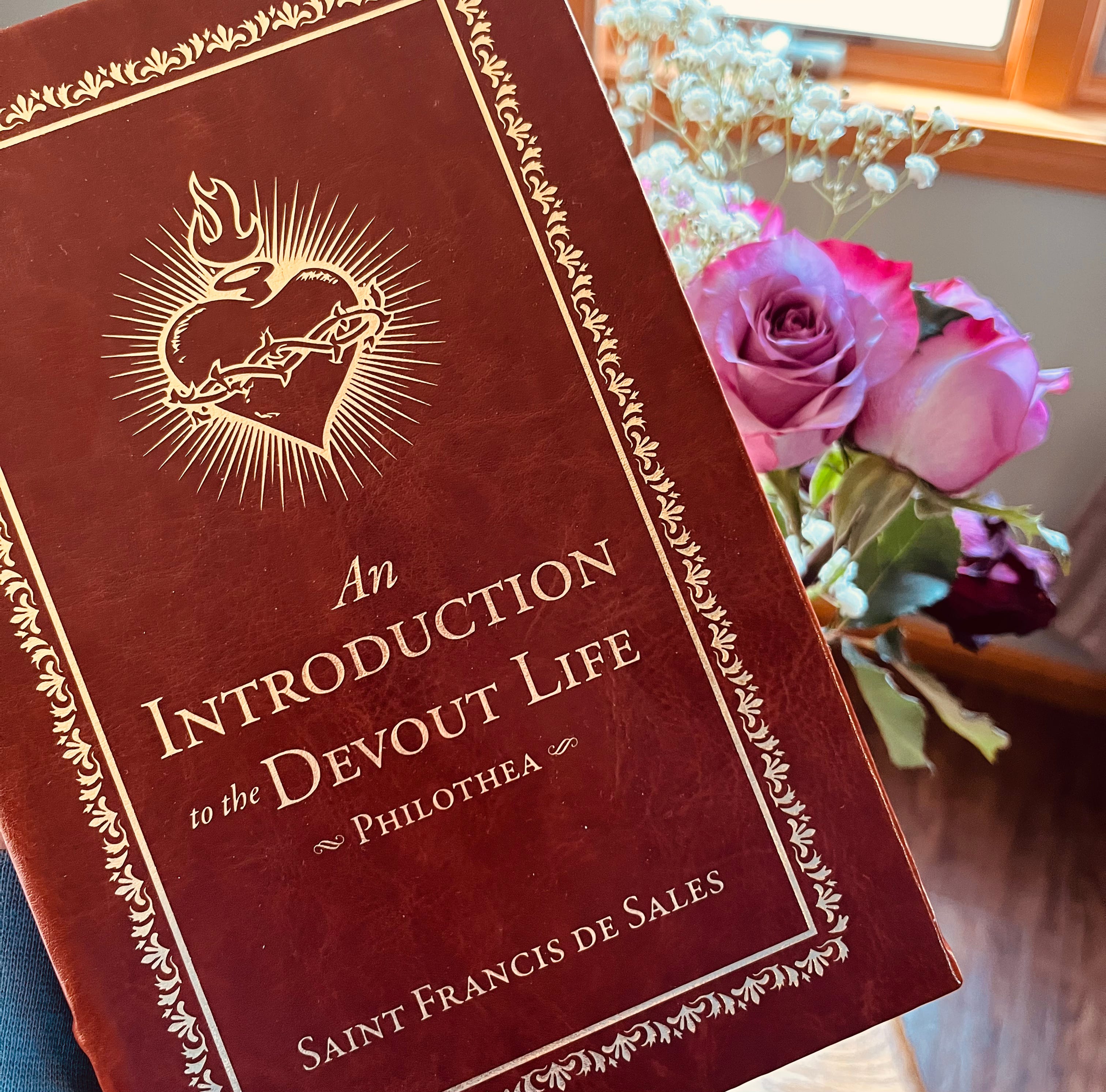
The feminine heart craves the spiritual and many a Catholic woman is drawn to seek spiritual direction. I am no exception, and years of reading lives of the saints gave me a rather rose-colored notion that I ought to have a spiritual director; convinced that if I had my own special Francis de Sales, that the strivings of my interior life would finally match up with my behavior. The path to sanctity would be cleared. All the romanticized if onlys.
But right order demands that desire is subject to discernment, and my husband raised an important—though highly irritating—question. He wondered about the prudence of a married woman entering into a spiritually/emotionally intimate relationship with a man other than her husband. He questioned whether the longing I was feeling to acquire a spiritual mentor ought to be oriented toward an actual man. He’d been an eyes-open Catholic for longer than I. Without scandalizing me, he spoke of reality. And I didn’t like it.
I wanted a priestly spiritual director and he was suggesting that perhaps it was imprudent for a young wife to meet regularly with another man of similar age.
Some of you are going to balk at the suggestion just like I did. It had never occurred to me that spiritual direction could be anything other than pure, holy, and destined to make saints. I hadn’t yet met anyone who had been groomed or abused by a priest. I didn’t yet know any devout Catholic families ripped apart by infidelity. I had heard whispers of priests leading double lives and leaving, but they were not loud whispers. I had never been scandalized by clericalism, manipulation, spiritual abuse, deception, and evil within the Church. I didn’t yet know how soul-shattering it would be for me someday. My husband was a few steps ahead of me while I basked in the glow of post-conversion naiveté.
I am grateful for the sweetness of the honeymoon of my conversion—it was important and the memory sustains me still—but it was only a matter of time before my faith would be tested by the broader scope of reality.
So we talked about the blessings and pitfalls of spiritual direction. I listened to his concerns and ultimately honored his request. It was the first time I recall submitting to his authority as spiritual head of the family when my will was not aligned to his. He didn’t demand it. He asked it. So I stewed in my perturbation for a little while, and at the same time prayed that God would bring me understanding and peace and also that He would direct me in every way I needed.
I went to our bookshelf (which my husband had so prayerfully and thoughtfully filled) and picked up Introduction to the Devout Life and said out loud: “All right, Father Francis, be my director today.” I scanned the contents and saw that Chapter 4 was titled: The Need of a Guide for those who would enter upon and advance in the Devout Life.
Aha! An ally! St. Francis De Sales advised his directee that an earnest soul ought to have a spiritual director…
So, daughter, inasmuch as it concerns you so closely to set forth on this devout journey under good guidance, do you pray most earnestly to God to supply you with a guide after His Own Heart, and never doubt but that He will grant you one who is wise and faithful, even should He send you an angel from Heaven, as He sent to Tobias.
I felt vindicated. Even triumphant! Then I read further…
And with such an aim, choose one among a thousand, Avila says;—and I say among ten thousand, for there are fewer than one would think capable of this office. He must needs be full of love, of wisdom and of discretion; for if either of these three be wanting there is danger.
Among ten thousand there are few who are capable. And an unworthy director is a danger. Huh.
I recalled again my husband’s words of caution. “The priest is just a man.” With a holy office, but just a man. And maybe he’s poorly formed and maybe he’s false and maybe he’s a saint. But we do not know. My good husband asked me to imagine him sitting alone with a woman sharing intimacies of the soul; so I did and I didn’t much like how that made me feel. I began to understand him (at least emotionally) and the edges of my irritation softened. I see much more clearly now that he knew his responsibility over the spiritual well-being of his family. He is our first “spiritual director” in the sacramental order.
In the years that followed, I very quickly met the human face of the Church. My childlike trust in clergy was tempered by sorrow. Actually, more like guttural grief. My heart was broken many times and I wondered in secret if holiness was even possible if all the graces of Holy Orders and Marriage could not produce good people and healthy families.
My desire for the idyllic spiritual mentoring I read about in Church histories sometimes still flares up with energy, but more like “I wish I could have” rather than “I ought to have.” During those times, I renew my prayer…
Holy Spirit, be my Director. I trust in You. Grant my husband wisdom and courage and give me the grace of receptivity.
Throughout the years, my heart and head have continued to soften toward my husband’s view of spiritual direction, especially since the very worst harm that I have seen from the Church in my community has most often come through relationship in spiritual direction…
Men leaving the priesthood. Marriages shattered. Vulnerable people manipulated. The grief-stricken leaving the Church. Innocence abused. Trust abused. My own collection of uncomfortable experiences concretized the growing thought that…
It is a terrible shame, but my husband was right.
The good news is that I’ve known many fine priests and enjoy the fruits of their counsel in countless ways other than personal direction. There have been multiple times when, after feeling a driving urge for counsel, I have put my desperate questions to the Lord and he has answered them directly in a homily. Or a pastor’s letter in a bulletin. Or a passing word.
Most of my spiritual mentors (Sheen, Sheed, Martinez, de Sales…) are dead. But the Holy Spirit is very much alive and moving in his good shepherds who make themselves available to His movement.
I recall once sitting with a daughter in our kitchen before Mass talking about identity, and we ended our lengthy conversation with a specific question:
“By what name does God call us?”
Forty minutes later, we sat with jaws dropped during the homily as Father said…
When God calls you by name, by what name does he call you? And then he answered the question.
You see, spiritual direction is an ongoing conversation with the Holy Spirit. And God is not silent. Still, I know that there are times when we—especially women—hunger for human connection and guidance in the ways of the spiritual life. Without writing a book on what I have learned, I will share a few suggestions for staying in conversation with God.
Eat, sleep, and move. A crisis of the soul often originates in an affliction of the body. Fatigue begets depression and hopelessness. Poor nutrition causes irritation and fatigue. Lack of movement causes every kind of malady which can masquerade as spiritual crisis. When we are faithful to reasonable care of the body, the soul is likewise tended to. “A good nap can save a marriage” is hardly an exaggeration.
Nurture holy female friendship. Easier said than done perhaps. But hold out for friends who are pure in speech and behavior and who are going the same direction you are. Find friends who love the Lord and who do not gossip about others or their spouses; who pray; who are willing to hold you accountable without being controlling; who are tender; who love you.
Read often. Read real paper books with time tested wisdom. If you are acclimated to fiction and find spiritual reading difficult, introduce the latter a little at a time until your mind is stronger. Don’t be anxious about it. Just keep going.
Pray well. Stay in conversation with Him. Don’t worry too much about failing. Just keep going. He loves you. He doesn’t leave.
Listen. Listen for the sound of his voice. In the scriptures, in your spouse, in your pastor, in your children and spouse, in music, in the wind, in the “still small voice” of the little things.
Silence. Practice staying in silence. Don’t empty your mind like the Hindus. Fill your mind with the peace of Christ. Turn off the noise of technology. Don’t fill every quiet moment with music and chatter.
Pay attention. God is present in the details and the mundane. Notice Him everywhere and cultivate your imagination to align with the reality of His presence. His leaves. His trees. His little ones. His broccoli. His design in the grain that runs through the wood of your dining room table. His breeze. His coincidence. His consolation. His tears.
Ora et labora. Pray and work. Your life is God’s poetry and you collaborate with the pen strokes made by great and mundane acts within vocation. It is here that you pray, listen, and pay attention.
Spousal union. If you are married, seek unity with your spouse even if you are mismatched in some ways. Your marital vocation is holy and there are graces that are unique to the two of you that keep you in conversation together with God. Seek the heart of your spouse and you will draw closer to the heart of God. Work hard toward virtue and service of body and soul. Pray together if possible. If not yet, pray in silence next to your spouse and for your spouse, and invite the Holy Spirit constantly into your company as a couple.
Female spiritual director. I know women who see female spiritual directors, both lay and religious. Not every woman is gifted in this task and care must be taken per de Sales’ warning, but it at least eliminates one pitfall of growing close to a man with whom you are not married. I would not personally pursue any director who charges a fee, only because there ought to be a basis of trust and vulnerability as in friendship… and money can and does ruin many good things. Making a donation is lovely if you are able and not the same as a mandatory business fee. Directors should not become adapted to directees paying their bills. Just my opinion, of course.
Surrender loneliness to love. Sometimes we desire direction because a part of us is lonely for connection, even if we’re married. That makes us more vulnerable to seeking the person of the priest rather than seeking God. Loneliness is a cross to carry, but we can offer it for our spouse (or future spouse) and use the sadness as a prompt to more deeply orient thoughts and energy towards our home.
Also, different but somewhat related…
No spiritual direction for minors. Period.
And that brings us to another important discussion on boundary setting for our children…
Helping Our Kids Set Confessional Boundaries
I’ll begin by reiterating the warning against one-on-one spiritual direction for minors. I don’t think it should ever be done without a parent or guardian present. That leaves the confessional as the one place that a young person will always be alone under the counsel of a priest.
This is not a comfortable conversation to have but it has come up for me in recent years as I’ve battled frustration and disappointment with the human face of the Church. In the darkest moments, Confession was an obstacle for me. There were times when I waited in line for fifteen minutes and then bailed at the last second, overcome with anger and grief. I struggled with the fact that in order to be reconciled with God, that I would have to be alone with a man in a box who might be wholly untrustworthy, and surrender to him the intimate details of my weakness.
I have never stopped believing in the efficacy of Confession. I just couldn’t easily overcome the grief that had become attached to my experience of Church. So naturally, I struggled with watching my children walk into the confessional as well. I thought:
There is hardly another circumstance on earth where I would allow my vulnerable children to walk into a closet with a man of unknown character and spill their secrets.
I’m not trying to cause you to stumble into doubt, just explaining how I came to discuss practical confessional boundaries with my kids. Without deconstructing the sacrament and without making them afraid of priests, I had to somehow make sure that they were safe in there or I couldn’t agree to let them go. So conversations have been ongoing and a natural part of our family interactions.
I recently spoke with Sr. Theresa Aletheia and Sr. Danielle Victoria from The Sisters of the Little Way and they encouraged me to write down some thoughts on how to talk to kids about boundaries and the sacrament of Confession. I put together a rough collection of thoughts for consideration. Each family needs to discern the words and approach according to the age and sensitivities of the children, but perhaps my notes can help initiate these conversation in homes.
Segments in italics are examples of wording that might be used with children. The discussion shouldn’t be grave and serious. There’s no need to pass on adult anxiety to kids. If you treat discussion of safe boundary setting as normal, chill, cheerful, and ongoing, your kids will take your cue and become an organic part of a healing Church that doesn’t tolerate abuse in any form.
Every priest is a man consecrated to the service of God and we presume his goodness. But every man (and woman) is also a sinner. And so just like we would not leave you alone in a room with a strange man who isn’t family, we also wouldn’t typically have you be alone with a priest.
Confession is a little different because you have the right to privacy for your confession. But there are some safety guidelines that we should all practice since it’s an unusual circumstance.
Preference for visible confession. Many parishes have updated their confessionals to have glass doors or have doors with windows. As a parent, I prefer to see the whole child so I also don’t mind when there are open church confessions. Since many confessionals are not updated, open communication is important.
Never face-to-face while in the confessional. Stay behind the screen. The exception to this might be in an open church or outdoor confessions where both priest and child are visible.
Do not accept an invitation to come around the screen. This helps you and the priest to have a detached and humble confession. With older kids, I would tell them straight up that the physical barrier protects against various boundary violations. I have been asked as an adult in two different parishes to come around the screen. I didn’t want to but I was a young mom and timid and didn’t want to say no. In both cases, the priests took my hands without my consent and held them. In one instance, the priest stroked my forearms. I was really uncomfortable and had a hard time continuing with my confession but was unsure how to leave. In another instance, a priest I knew asked for a hug. I did not want to hug him but didn’t have the confidence to decline and ended up in an unwanted embarrassing full body hug. I would handle it better now, but the easiest way to avoid these kinds of situations is simply to be behind a screen. Think it’s hard for an adult to refuse? So much harder for a child.
You can leave at any time for any reason and you don’t have to explain why to the priest or even say goodbye. He won’t know who you are. If you’re uncomfortable, just leave. No one will be mad at you. If you still need to go to confession, we’ll figure it out. No big deal. (And don’t forget to smile at your kids when you say this!)
Get in and get out. Briefly tell your sins without lots of detail. It’s a great courtesy to the people waiting in line and also helps us avoid wanting to over-explain or burden the priest with details. Confession is simple and accessible, thanks be to God!
You do not have to answer questions you don’t want to answer.
You should not answer questions that are personal, especially related to chastity or sexuality. You do not have to go into detail about your sins. If Father asks a question that you don’t want to answer, just continue with your confession or say “I don’t prefer to answer that. I just want to make a confession.”
No physical contact ever.
Don’t give your name or names of your family members.
Do not exchange phone numbers with a priest. There should be no texting or phone conversations directly between a priest and minors. Recommended approach for teachers and coaches as well. Unlikely as it seems, it is an effective way for predators to isolate even if a child is in the midst of a strong family. Much easier if kids just don’t have phones but that’s a different discussion.
If you have any questions about your confession, you can ask us. You don’t have to tell us what you confessed if you don’t want to. But you are always free to do so. Father is not allowed to tell anyone what you said in confession—it’s so serious that he would be excommunicated for doing so—but you are allowed to tell others what father said.
The priesthood of the father is as central in the home as that of the priest in the confessional. The voice of God is heard from both, and truly far more often from the parents whose vocation it is to raise this specific child in faith. The holiness of these conversations is real—touched strongly by sacramental graces—even in difficult discussions that feel uncomfortable because they critique the behavior/words of a priest.
This is a bit of a rough and hasty list. I’m sure many of you can add to it and can frame the topics in ways most appropriate to the age and maturity of your child.
On a final note, I think it is important as a parent to keep the sacraments free of compulsion and fear. Of course we should expect our children to attend Mass with us and we should bring them to Confession regularly, but their relationship with our Eucharistic Lord should be entirely free of coercion or force by shame. The same is true with Confession. We can manage behavior but we cannot control or know the interior life of the child. Our focus should be on building a relationship of trust, openness, confidence, tenderness, mercy, forgiveness, and love which will hopefully then flow into a healthy relationship with the sacraments and our Lord and with our priests and religious.
Healthy families are one of the biggest deterrents to predators and those inclined to abuse power. Though too much of I have learned as a parent has been through my own mistakes, here is one example of how this has worked well in our home:
A teenage daughter once had a strange encounter in the confessional and immediately talked to me about it when she got home. Thankfully, she wasn’t afraid that I would scold her for questioning a priest. She wasn’t afraid that I would judge her when she shared a little context from her confession. She was curious about the situation and my thoughts. So she grabbed a cookie and started talking…
And that led to a broader discussion in which we were both able to share what is real, beautiful, and perhaps a little dangerous about the freedom of our faith. Thank God we aren’t in a cult! we concluded. Indeed. Thank God.
Similarly, I hope this article is only the beginning of a lot of discussions among spouses and families about how the Church, being made up of human beings like us, is both breathtakingly lovely and also perilous. I’m sure that readers will have many suggestions to add, experiences to share, and hope to offer, so that we and our families and communities may all be well.
Miscellany…
I’m delighted to be leading a regular schedule of SoulCore in my community and have been blessed beyond measure by getting together with other women to pray and to move. Wednesday mornings are a particularly peaceful time; one of my favorite hours of the week.
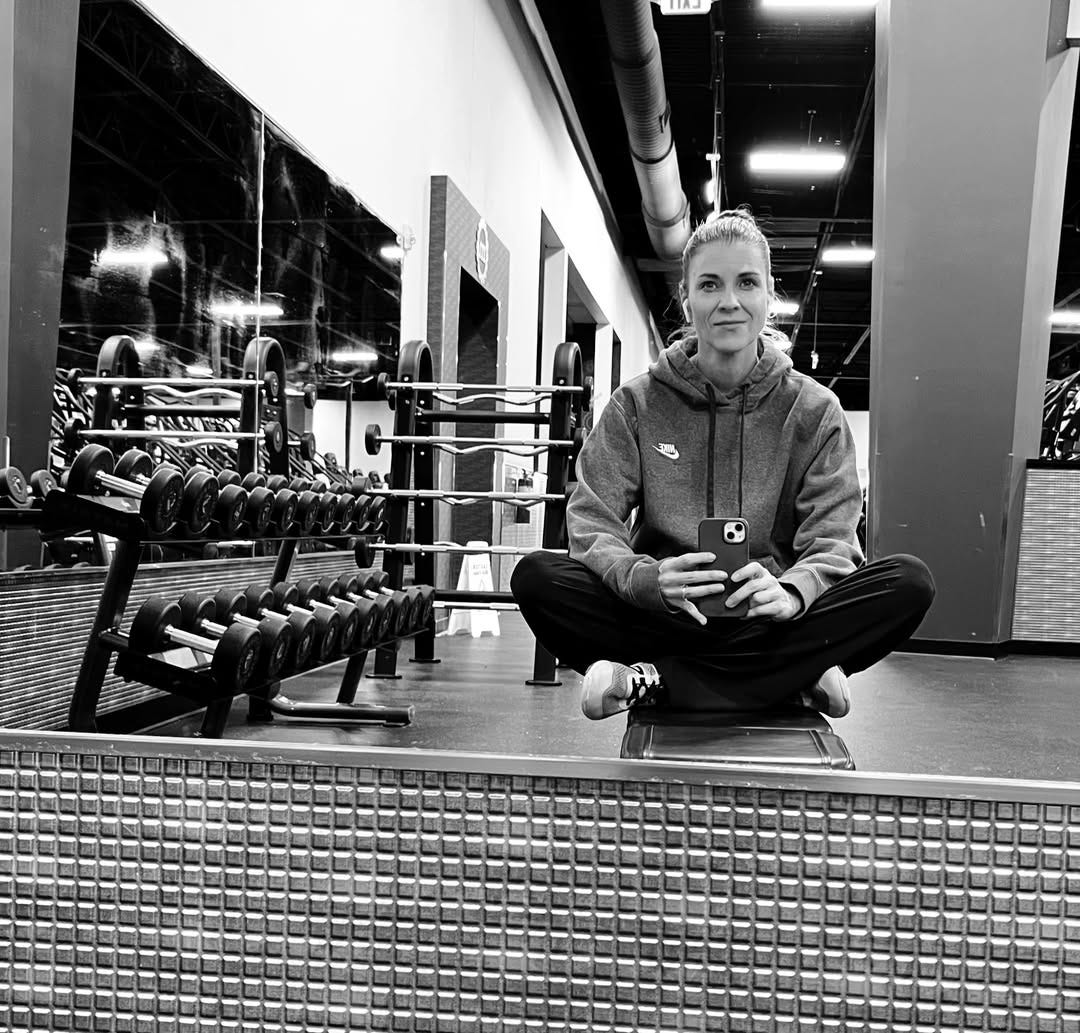
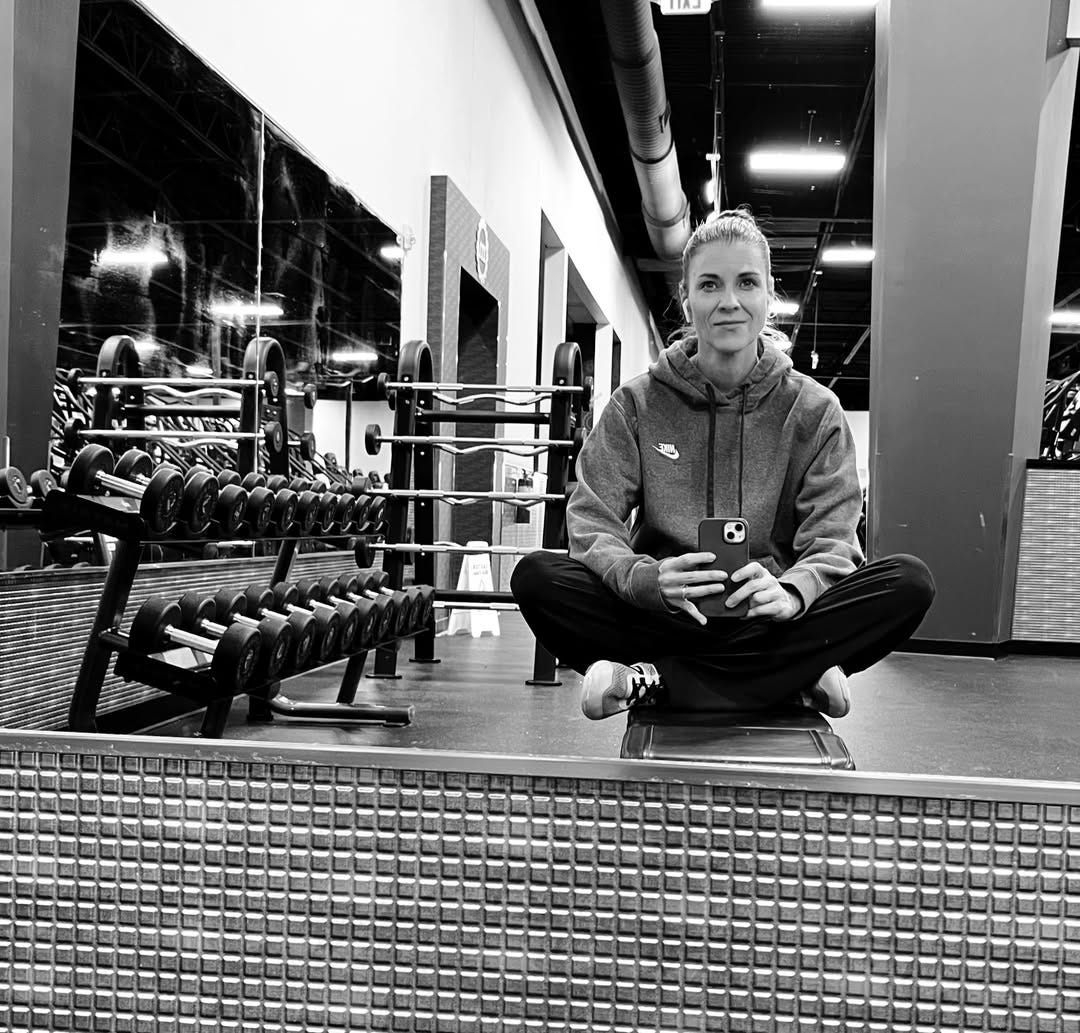
Rest In Peace, Maria Josephina. The picture below was my first trip back to the gym after losing our baby in miscarriage early last week. I didn’t lift that day. I just went through some motions without load. Slowly and carefully. I was at the point where sedentary is more physically painful than small movement so I decided to move.
Recovery feels slow as body and heart mend. I’m grateful to have finally gotten a handle on my iron levels which were in the basement and causing me to feel very low in every way. Yesterday was my first time back with some weight and it felt good. I slept better than I have in a while.I want to write a lot more about what it’s like to be 49 and find out you’re pregnant. And to be afraid and also over-the-moon in love… and then lose her.
I want to talk about the depth and joy and pain of openness to life and how it’s worth it. Even as I sat in the gym last week doing almost nothing, feeling like my body got hit by a truck, deeply tired and sad…
I was still so flooded with such gratitude that it must be expressed. So I will do that sometime soon here. In the meantime, I just want you to know that she exists. That she was here, body and soul, fully alive and beloved. That she still lives and I hope you get to meet her someday. I wish I had a picture of her to share instead of just sad me in a cold gym. But someday I won’t need a photo because I’ll have her in arms. And that knowledge is sufficient for the day. Blessed be God.
Rekindling marital intimacy. This is wonderful and probably important for many married couples. Sexual intimacy is one of the most important and difficult areas to heal mid-marriage. It is also one of the most painful open wounds in many marriages. Dr. Peterson’s insight is phenomenal.
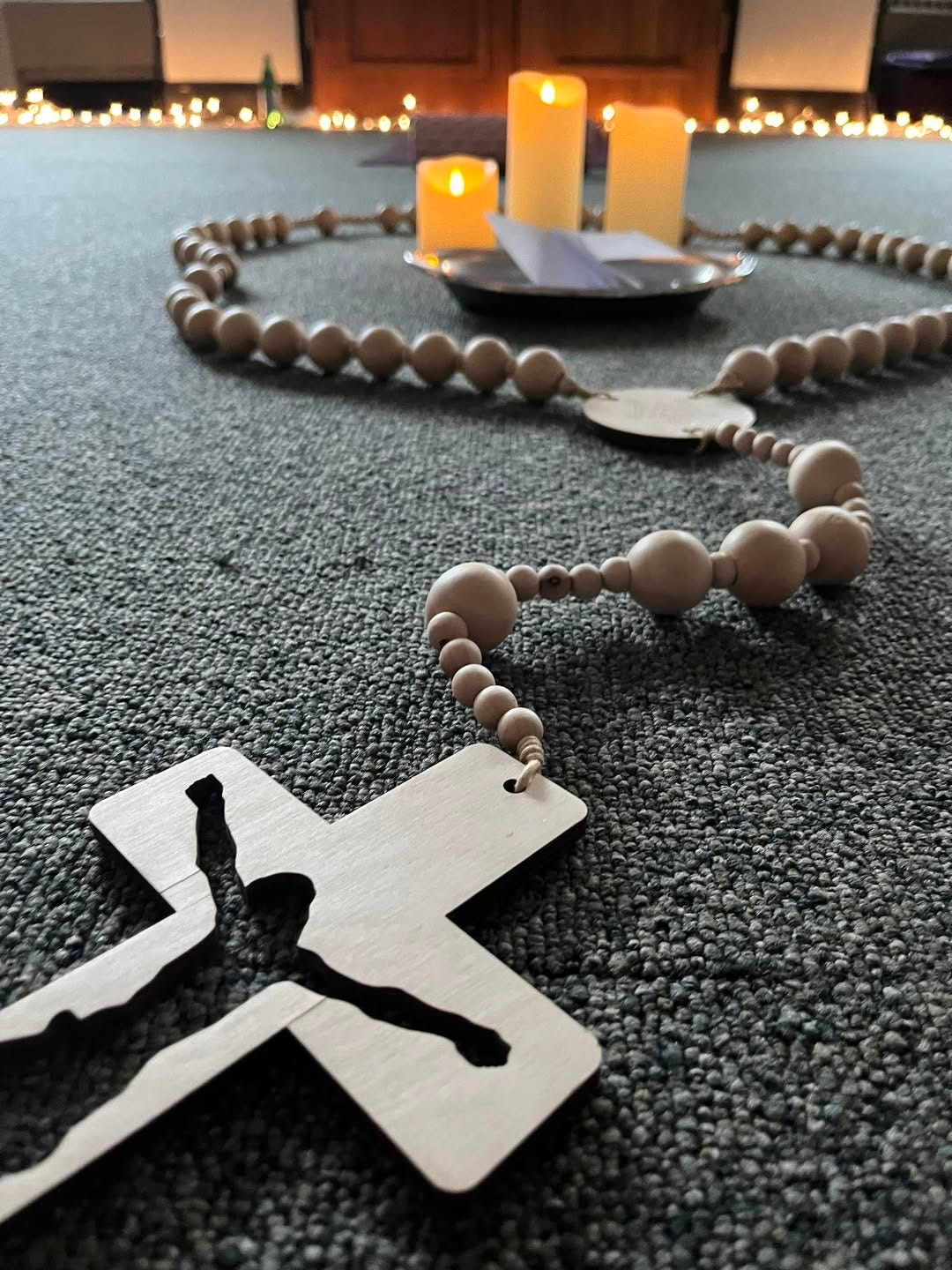
Lent has only just begun but I pray it is already fruitful for you. May the peace and hope of Jesus Christ be your strength and consolation as you enter in.
Peace,
Melody
All content on The Wild Return is free to you. If you value what I share, please consider upgrading to a paid subscription or donation. And feel free to explore a few of my favorite things. Thank you!
Thank you for addressing a topic I feel is (rarely) discussed. I have sent this to 3 friends already and anticipate referencing this often in the future.
Prayers for you and your family in this time of loss and grief.